
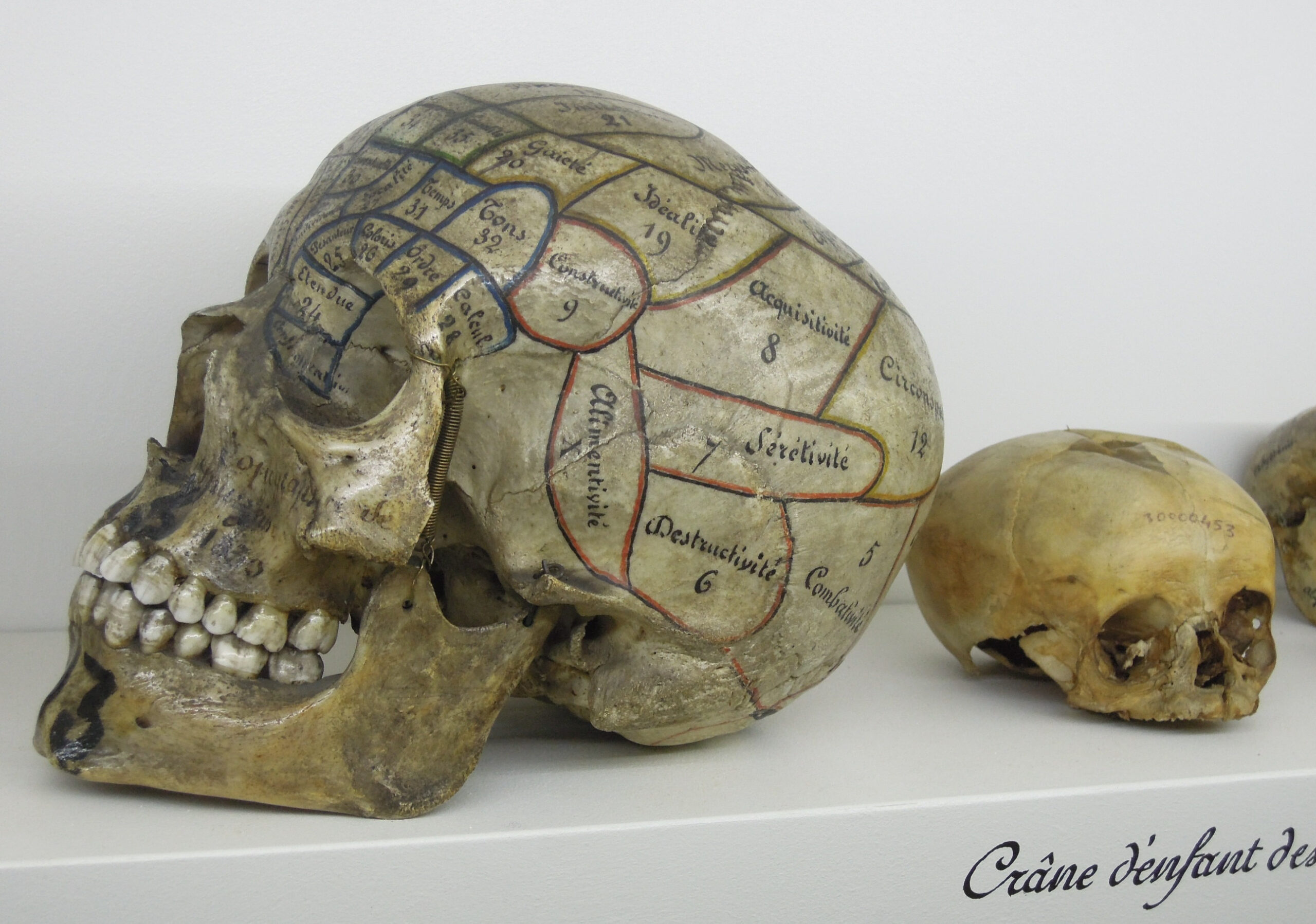
I am not a number
While browsing the various posts on LinkedIn, I occasionally see one extolling the virtues of one or other of the many available personality tests. Liking a personality test, or even advocating one for others to use is fine by me. If someone found it useful for their own self-awareness and development then absolutely right that they bring the attention of others to this tool.
However, when I see the conversation turning to the use of such personality tests for the making of hiring, firing and promotion decisions, this raises a very different feeling. If you use personality tests to decide the future of others, I have a word of caution for you.
Many of these tests are scientifically unsound. They don’t reliably assess a person’s personality traits. If you raise this issue, you will usually get pointed towards the website of the organisation that produces the test. Often the licensing of the test forms the basis of that organisation’s business model and one of its main revenue streams. Vested interests do not make for unbiased assessments of veracity.
But what if the scientific evidence does hold up? (In my experience it rarely does). Even if a particular personality test can be shown to work consistently as a measure of behaviour, on what basis are you assuming a certain trait is better for a given role or level of seniority?
Garbage in, garbage out
Most of the data to support suitability for a role, or expected level of performance, comes not from reliable scientific studies, but from the decisions made by potentially biassed observers. For example, “People with personality trait X were promoted more often”, or “people of type Y achieve better performance assessments”.
A model is only as good as the data that’s used to create it, and in this case the data you’re using is a set of unverified opinions. This data is at best unreliable, and at worst misleading. By using it, you probably aren’t adding statistical accuracy to your choices. It is more likely that you are reinforcing and industrialising prejudice. You’re just turning the biases of a small number of senior people into a process.
If you’re not convinced, here’s a thought experiment that should make it clearer.
Imagine that Consultant X invents a testing scheme that classifies people based on skin colour and gender. They then “demonstrate” using observed data that those falling into the “white male” category get promoted more quickly and receive better performance reviews. The data is conclusive and the system is formalised as a saleable product.
If you used this system in the workplace, the outcome would be clear. It would also be unacceptable and immoral, not to mention illegal. Hopefully, no one would dream of doing such a thing.
Hiding behind the algorithm
Now, take a look at how you’re using those personality tests. The process is identical, but the prejudice is harder to put your finger on. You’re associating certain traits with performance and suitability based on the potentially prejudiced opinions of the people who came before you.
You might not be able to identify in exactly what way you are discriminating, but it’s almost certain that you are. Maybe not on skin colour or gender in this case, but perhaps on socioeconomic background, neurodiversity or even religious orientation. It is, however, just as unacceptable.
One way or another, you’re simply reinforcing existing bias. The whole point of adopting a testing regime in the first place was to remove bias and focus on “the right person for the job”. Instead, you’ve achieved the opposite, but made it far harder to challenge. So, I have one piece of advice when it comes to the use of personality tests for hiring, firing and promoting people:
Don’t do it.